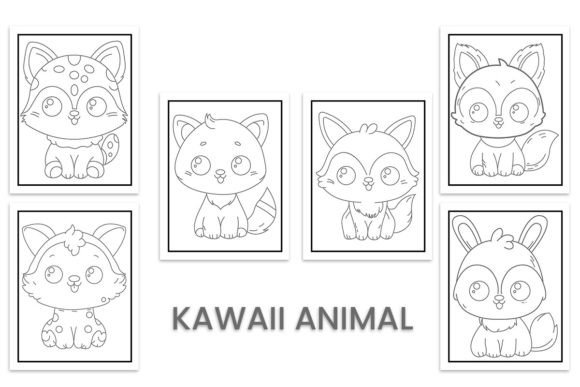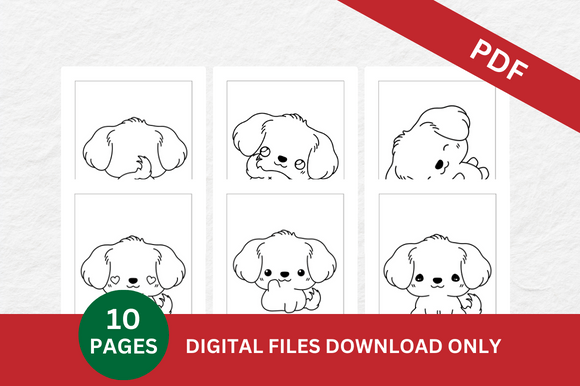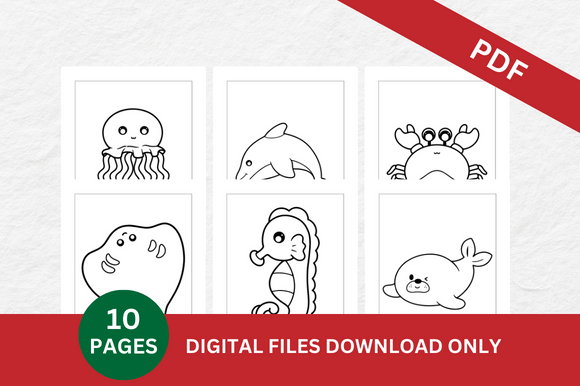
Cute Animals Coloring Pages – A Strategic Asset for Publishing, Education, and Creative Branding
At first glance, a set of cute animals coloring pages might seem like a simple children’s activity. But if you are building a content business, developing educational materials, or creating products that need to resonate with young learners and their parents, the strategic value of well-designed coloring pages extends far beyond crayons and paper. A thoughtfully produced collection of cute animals coloring pages can serve as a product, a lead generator, a classroom tool, or a brand extension. The key is understanding how to approach the format with intention rather than treating it as a afterthought.
This article explores why cute animals coloring pages matter as a practical asset, when they are worth investing in, and how to use them in ways that align with real goals—whether you are publishing through Amazon KDP, building resources for educators, or looking for creative ways to engage an audience.
Why Cute Animals Coloring Pages Work as a Product and a Tool
Coloring pages occupy a unique space in both digital and print publishing. They are low-cost to produce, high in perceived value for the end user, and versatile across formats. When you focus on cute animals specifically, you tap into a category with near-universal appeal among young children. Animals are among the first subjects children learn to recognize, and the "cute" factor adds emotional warmth that parents and caregivers respond to.
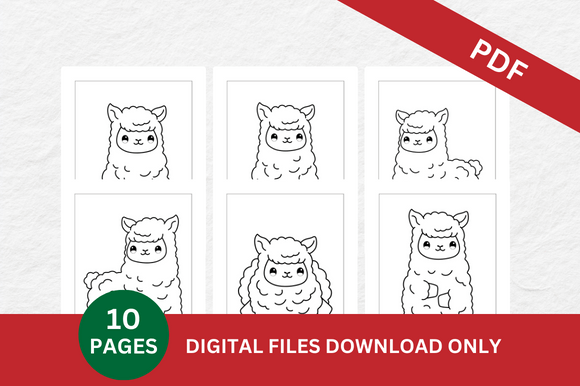
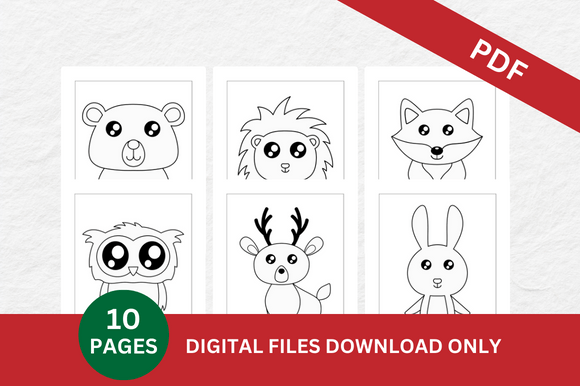
For publishers and creators, this means the demand is steady. Parents, teachers, and homeschoolers actively seek fresh coloring content. A set of 10 cute animals coloring pages, formatted at 8.5″ x 11″ with no bleed, ready for print as a PDF, gives you a low-friction product that can be listed quickly on platforms like Amazon KDP or offered as a freebie to build an email list. The specification is straightforward—10 pages, standard trim size, print-ready—but the strategic decisions around which animals to include, how the line art is drawn, and how the pages align with the expectations of your target audience will determine whether the product performs.
From a business standpoint, the value lies in reproducibility. Once you have a strong template and a clear style guide for your cute animals coloring pages, you can scale the concept into series, bundles, or themed collections. Each additional set adds to your catalog without requiring a completely new design process. This makes the category attractive for creators who want to build a recurring revenue stream with manageable effort.
Strategic Use Cases for Cute Animals Coloring Pages
The practical applications of cute animals coloring pages go beyond simply selling a PDF. Experienced creators and publishers look for multiple angles of use. Here are several scenarios where this format delivers measurable value.
Amazon KDP Low-Content Publishing
Amazon KDP remains a major distribution channel for coloring books. A set of cute animals coloring pages can be compiled into a paperback or sold as a digital download. The specification of 10 pages at 8.5″ x 11″ with no bleed is a standard KDP-compatible format. For a publisher starting out, this is a manageable project to test the market without significant upfront investment. You can create a single title, observe customer feedback, and refine your approach for subsequent releases. The key is to ensure the line art is clean, the animals are distinct and recognizable, and the overall presentation looks professional at print resolution.
One practical consideration: KDP customers often compare coloring books by page count, theme, and sample images. A 10-page collection is suitable for a budget-friendly offering or a sampler that leads to a larger series. Some publishers use a small set as a loss leader or a promotional item to drive traffic to their full catalog.
Educational and Homeschool Resources
Educators and homeschool parents are always looking for supplemental materials that combine engagement with skill development. Cute animals coloring pages can support fine motor skills, color recognition, focus, and creative expression. If you position your coloring pages as part of a learning package—perhaps with animal names, fun facts, or simple tracing elements—you increase the utility for teachers and parents who value educational content alongside entertainment.
When targeting educators, precision matters. The design should be age-appropriate, with clear outlines that are easy for small hands to color within. The choice of animals should reflect common curriculum themes: farm animals, zoo animals, pets, or wildlife. A set that includes a cat, dog, rabbit, bear, elephant, and similar favorites will have broader classroom appeal than a niche selection.
Customer Engagement and Lead Generation
For businesses outside publishing—such as children’s brands, toy stores, or family-oriented services—cute animals coloring pages can function as a marketing asset. Offering a free PDF download in exchange for an email address is a low-cost, high-value lead magnet. Parents are far more likely to give their contact information when they receive something they can use immediately, especially if it keeps their child engaged.
The same asset can be used as a bonus with a purchase, a printable activity at events, or a digital reward for completing a survey. Because the production cost is low once the design work is done, the ROI can be strong if the asset drives conversions or builds goodwill with your audience.
Creative Branding and Themed Content
If you run a blog, YouTube channel, or social media account focused on parenting, early childhood education, or creative activities, original cute animals coloring pages give you shareable content that reinforces your brand. You can release one page per week as a free printable, building anticipation and repeat visits. Over time, a collection of 10 pages becomes a complete resource that your audience can download in a single PDF. This approach positions you as a provider of value rather than just a source of advice.
What to Consider Before Creating or Using Cute Animals Coloring Pages
Like any content asset, the effectiveness of cute animals coloring pages depends on how well they align with the goals of the creator and the needs of the audience. Here are factors to evaluate before you invest time and resources.
Audience Expectations and Age Range
Not all cute animals coloring pages are suitable for the same age group. Toddlers need very simple shapes with thick lines and minimal detail. Older children may prefer more intricate designs with patterns and background elements. Knowing the intended age range will guide your line art style, page complexity, and even the choice of animals. A design that delights a 3-year-old may bore a 7-year-old, and vice versa. If your product is too generic, it may fail to satisfy either segment.
For most commercial applications, ages 2 to 6 is the sweet spot for cute animal themes. At this stage, children are developing fine motor control, and the emotional connection to animals is strong. Pages that are too detailed can frustrate younger users, while pages that are too simple may not hold the attention of older children.
Format and Technical Specifications
The specification you provided—8.5″ x 11″ inches, 10 pages, no bleed, print-ready PDF—is a standard that works well for both digital distribution and print-on-demand. No bleed means the content fits within the page margins without requiring extra space for trimming. This simplifies the layout process and reduces the chance of important elements being cut off.
Print-ready PDF files should be flattened, with all fonts outlined and images embedded. If you are using KDP, you will also need to consider the trim line and safe zone. Ensuring your cute animals coloring pages meet these technical requirements prevents costly rework or rejected uploads.
Originality and Differentiation
The market for coloring books is crowded. A generic set of cute animals coloring pages may get lost unless you offer a distinctive angle. This could be a unique art style, a specific theme (e.g., "Cute Animals in Sweaters" or "Baby Animals Around the World"), or an educational component that adds value. Differentiation does not have to be radical, but it should be noticeable. A parent browsing dozens of coloring books on Amazon will gravitate toward something that feels fresh or thoughtfully curated.
One approach is to focus on the quality of the line art. Clean, consistent, and charming illustrations stand out. Another is to provide bonus content, such as a cover page that can also be colored, or a certificate of completion at the end of the book. Small touches like these build perceived value without increasing production complexity.
Practical Planning Tips for Your Coloring Pages Project
Whether you are creating cute animals coloring pages for personal use, for clients, or for your own product line, a structured planning process will save time and improve the final output.
Start by defining the purpose. Is this a standalone product, a lead magnet, a classroom resource, or a portfolio piece? Each purpose influences the page count, design style, and distribution method. For a lead magnet, 10 pages is generous enough to feel valuable but short enough to keep production fast. For a commercial coloring book, you may want to expand to 30, 50, or more pages to compete effectively on KDP.
Next, choose your animals strategically. A mix of familiar pets (cat, dog, rabbit), farm animals (cow, pig, chicken), and slightly more exotic but still cute creatures (fox, bear, owl) gives the collection breadth. Avoid animals that are difficult to render simply or that may not resonate with young children. Test your selections against your target age group.
Create a style guide for your line art. Decide on line thickness, level of detail, shading (if any), and whether the pages include backgrounds or remain focused on the animal. Consistency across all 10 pages makes the set feel cohesive and professional. Even if you outsource the illustrations, maintaining a style reference ensures uniformity.
Plan the PDF layout so that each animal gets its own page. Include a simple title or label on each page if appropriate, but keep it minimal so the coloring area is maximized. A cover page with the book title and a sample design adds polish and helps the product stand out in thumbnail views.
Risks of Using Cute Animals Coloring Pages Without Clear Goals
It is easy to assume that any coloring page will find an audience. The reality is that content created without a clear purpose often fails to connect. The most common risk is producing a set that is too generic to build loyalty or too similar to existing offerings to generate sales. If you do not know who you are making the pages for or what specific need they address, you are essentially guessing at the market.
Another risk is underestimating the importance of production quality. Blurry lines, inconsistent scaling, or poor PDF settings can result in a product that looks unprofessional when printed. On platforms like Amazon KDP, customer reviews often highlight print quality issues. A single bad review can significantly hurt a new book’s performance.
There is also the risk of scope creep. A 10-page project seems simple, but if you keep refining the designs, adding pages, or changing the format, you may lose sight of the original goal. Setting a clear specification upfront—10 pages, 8.5″ x 11″, no bleed, print-ready PDF—and sticking to it helps you ship the product rather than endlessly perfecting it.
Making Cute Animals Coloring Pages Work for the Long Term
The most sustainable approach to cute animals coloring pages is to view them as part of a broader content system. A single PDF can be repurposed into individual printables, bundled with other themed sets, or updated seasonally. If you are building a brand around children’s activities, each set of pages reinforces your positioning and becomes a reference point for your audience.
Consider gathering feedback after release. Which animals were most popular? Did users want more pages or different themes? Use that input to plan your next collection. Over time, you can develop a library of coloring resources that serve multiple customer segments and use cases. This long-term thinking turns a modest 10-page project into a foundational asset.
For educators and professionals, cute animals coloring pages can also be integrated into lesson plans or activity kits. The more context you provide around the pages—suggested color palettes, discussion prompts, or related learning objectives—the more indispensable the resource becomes.
Deciding Whether to Proceed with Your Coloring Pages Project
The decision to create a set of cute animals coloring pages should be based on a realistic assessment of your audience, your distribution channel, and your production capacity. If you have a clear use case and the ability to deliver clean, print-ready files, the project has a strong likelihood of generating positive outcomes. If you are unsure about the market or lack the design skills to produce professional-grade line art, it may be wise to invest in a designer or start with a smaller sample.
Remember that the specification you have—10 pages, 8.5″ x 11″, no bleed, print-ready PDF—is a proven format. It works for KDP, for digital downloads, and for classroom use. The content itself, cute animals coloring pages, addresses a genuine and ongoing demand. The question is not whether the format works, but whether your execution aligns with the expectations of your intended users.
Approached thoughtfully, a set of cute animals coloring pages is more than a simple activity. It is a strategic tool that can support product development, audience engagement, educational outcomes, and long-term brand building. The difference between a generic PDF and a valuable resource lies in the intentionality behind every design choice, from the selection of animals to the final export settings. Make those choices wisely, and the pages will serve your goals far beyond the first download.