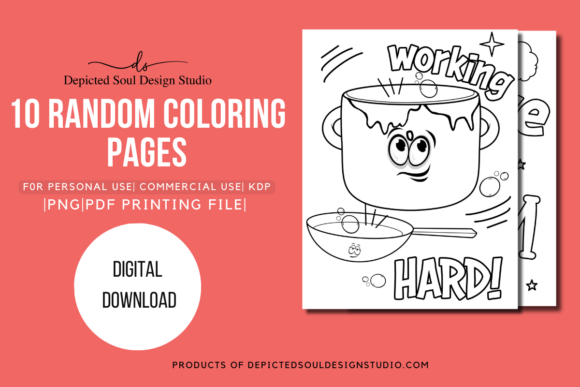
10 Random Coloring Pages KPD: A Fresh Resource for Educators and Publishers
If you’ve spent any time searching for classroom activities or low‑content book ideas, you know how quickly the same themes repeat. Unicorns, dinosaurs, and mandalas have their place, but after a while both students and customers crave something different. The concept of 10 Random Coloring Pages KPD addresses that exact need. It offers a compact, varied set of illustrations that can be used immediately—whether you’re a teacher looking for a no‑prep activity or a KDP publisher testing new niches. This isn’t a generic bundle; it’s a deliberately unpredictable collection that keeps engagement fresh.
What Exactly Are 10 Random Coloring Pages KPD?
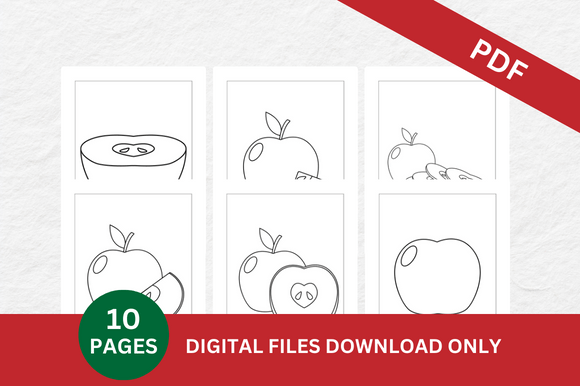
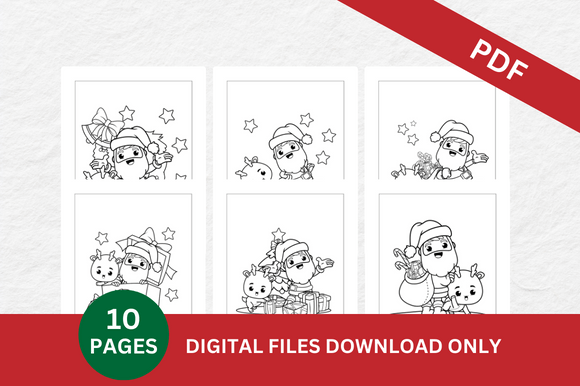
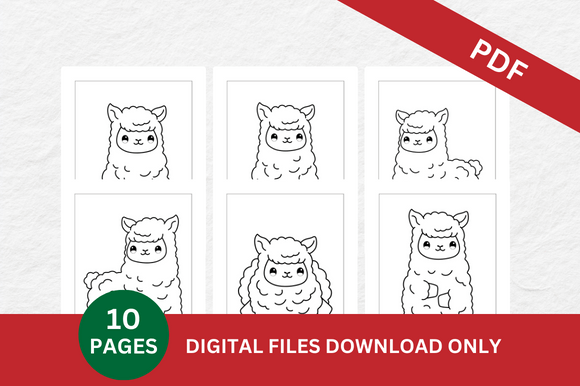
The phrase “10 Random Coloring Pages KPD” refers to a pack of ten unrelated, ready‑to‑use coloring sheets designed for both classroom use and Kindle Direct Publishing (KDP). Unlike themed packs that stick to one topic (e.g., “Ocean Animals” or “Space”), these pages intentionally mix subjects, styles, and complexity levels. A single set might include a floral mandala, a whimsical animal, a geometric pattern, a nature scene, and a playful abstract design. The randomness is the feature, not a flaw. For educators, it means students get variety without repetition. For KDP publishers, it provides a low‑risk way to test which themes resonate before committing to a larger series.
Why Randomness Matters in Today’s Creative and Educational Landscape
The current market for coloring content has shifted. Adults and children alike are using coloring for mindfulness, stress relief, and quick creative breaks. Predictable sheets can feel stale after just a few uses. A random pack breaks that monotony naturally. Additionally, trends in low‑content publishing show that smaller, diverse bundles often outperform single‑theme books because they appeal to broader audiences. A customer who isn’t a “cat person” might skip a cat‑themed book, but a random collection has something for everyone. Teachers similarly benefit: they can hand out different pages to different students or use the same pack across multiple lessons without anyone getting bored.
The Evolution from Themed Packs to Mixed Collections
Five years ago, most coloring page packs were strictly organized by theme. A KDP publisher would create “50 Animal Coloring Pages” or “100 Mandalas.” While those still sell well, the market is now saturated. Buyers have grown accustomed to variety, and algorithms on Amazon reward products that generate repeat views and positive reviews. Random packs encourage buy‑through because each page feels like a discovery. In classrooms, teachers report that students stay focused longer when the next page in a stack is a surprise. This evolution reflects a broader desire for serendipity in creative tools—curated unpredictability, if you will.
Practical Implications for KDP Publishers
If you publish on Amazon KDP, 10 Random Coloring Pages KPD can serve multiple strategic purposes. First, it works as a low‑cost entry point for new niches. Instead of spending weeks drawing 50 pages on one subject, you can compile a small test pack. If sales are strong, you expand. If not, you pivot without a major loss. Second, random packs are excellent for building an email list or social media following—give away the pack for free and upsell larger collections. Third, the intrinsic variety makes the book more likely to appear in “frequently bought together” recommendations because it appeals to multiple interest groups.
- Testing value: Use a random pack to gauge which illustration styles your audience prefers.
- Bundle potential: Combine several random packs to create a larger “Mega Variety” book.
- Review generation: Buyers are more likely to leave reviews when every page feels unique.
- Competitive edge: Fewer publishers offer truly random collections, giving you a niche advantage.
A realistic example: a publisher launched a 10‑page random pack under the title “Surprise Coloring Fun.” Within three months, it became their second‑best seller despite no advertising. The reason? Parents bought it for travel and restaurants, teachers grabbed it for indoor recess, and adults used it for quick stress relief. The randomness made it impossible to predict the content, which drove repeat purchases.
Practical Implications for Educators, Homeschoolers, and Parents
If you’re a teacher or parent, 10 Random Coloring Pages KPD solves a very concrete problem: the “I’m bored” moment. When a child finishes an assignment early, handing them a random coloring sheet feels less like busywork and more like a treat. Because the pages are unrelated, you can also use them across subjects. A page with a detailed tree might spark a science discussion about seasons. An abstract pattern can lead to a math lesson on symmetry. The openness of the content invites creativity beyond just filling colors.
- No planning required: Print and go. Perfect for substitute teachers or last‑minute activities.
- Differentiation: Give simpler pages to younger students, more complex ones to older kids.
- Social‑emotional learning: Use coloring as a calming transition between tasks.
- Art appreciation: Discuss why each page was chosen and what the artist might have intended.
How Random Packs Fit Modern Workflows
Educators are increasingly time‑poor. Spending hours searching Pinterest for the “right” sheet is no longer viable. A single download of 10 random pages covers a week of morning work or early finisher activities. For homeschoolers, the variety complements unit studies—you can pull out a random page that unexpectedly connects to a lesson. This flexibility aligns with the modern tendency to collect versatile resources rather than highly specific ones.
Creating Your Own 10 Random Coloring Pages KPD: Practical Tips
Whether you’re a KDP publisher or a teacher building a personal stash, creating a strong random pack requires intention. Random doesn’t mean careless. Here are grounded recommendations:
- Balance complexity: Include two easy, three medium, and five detailed pages so the pack works for various ages and moods.
- Mix themes: Animals, nature, abstract, fantasy, and everyday objects ensure broad appeal.
- Black‑and‑white only: Keep lines crisp and spaces generous—especially for young children.
- Test print: Make sure the images look good on standard paper and with common coloring tools.
- Licensing clarity: If selling, use original artwork or properly licensed commercial use graphics.
For KDP specifically, consider bundling the 10 random pages with a cover that emphasizes the variety. Titles like “Mix & Color: 10 Surprise Sheets” or “Random Coloring Fun” can attract clicks. Avoid hype phrases—let the content speak for itself.
The User Experience: What to Expect When Using or Selling Random Packs
One of the most common questions is whether a random pack feels disjointed. In practice, buyers and users report the opposite. The variety creates a sense of abundance. A child who colors a robot on Monday and a flower on Tuesday doesn’t notice any lack of theme—they enjoy both. Adults using the sheets for relaxation appreciate not feeling locked into one topic. For KDP, customer feedback often highlights the “surprise factor” as a positive, especially when the pack includes one or two unexpected images (like a slice of cake or a pair of sneakers).
That said, avoid making unrealistic promises. A random pack won’t replace a massive curated collection. It’s a tool for variety, not a comprehensive solution. When marketed honestly, it builds trust and repeat purchases.
How 10 Random Coloring Pages KPD Aligns with Current Market Preferences
The low‑content book industry is maturing. Buyers are savvier and more selective. They want quality, not quantity. A pack of 10 random pages, when designed well, signals that the creator put thought into the selection even though the themes are varied. Additionally, the trend toward micro‑learning and micro‑activities—short, focused creative breaks—plays right into this format. A customer doesn’t need a 100‑page book to enjoy coloring for ten minutes. Ten pages is enough for a weekend or a commute. This aligns with the lifestyle of busy adults who want a quick, satisfying creative outlet without committing to a heavy book.
Recommendations for Sustainable Use
If you’re an educator, keep a printed folder of random packs on your desk. Rotate through them weekly. If you’re a KDP creator, use the 10‑page format as a lead magnet or as a new release to test keywords. Over time, you can analyze which pages in the pack get the most engagement (if you ask for feedback) and then create targeted packs based on those winners. The randomness becomes a research tool, not just a product.
Remember: the core value of 10 Random Coloring Pages KPD lies in its flexibility. It respects the user’s desire for novelty while providing immediate, low‑friction utility. Whether you are trying to keep students engaged or looking for a profitable, low‑risk KDP launch, this simple concept offers a surprisingly rich return on a minimal investment.