20 Easy Sudoku Puzzles for Kids: A Practical Evaluation for Parents and Educators
When searching for screen-free, brain-engaging activities for children, many parents and educators encounter products labeled as 20 Easy Sudoku Puzzles for Kids. At first glance, this appears to be a straightforward collection of simple puzzles. However, for those evaluating whether to purchase, download, or incorporate such a resource into their routine, understanding the actual format, purpose, and practical tradeoffs is essential. This article offers a balanced look at what this specific puzzle set offers, who it serves best, and what considerations matter before making a decision.
What Is 20 Easy Sudoku Puzzles for Kids?
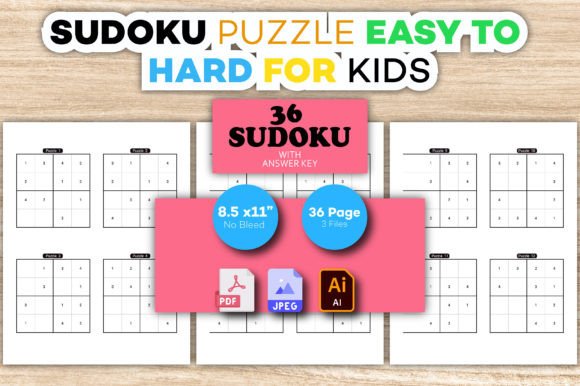
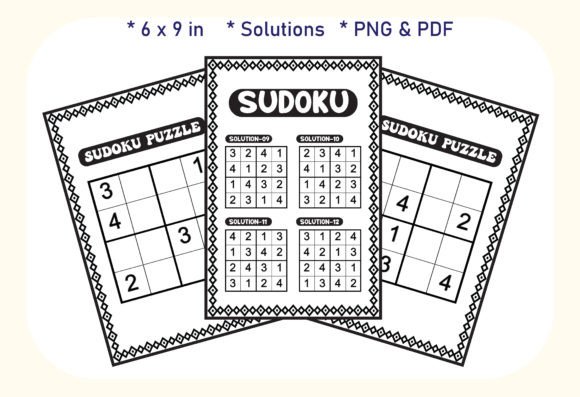
This product is a digital or printable collection consisting of 20 easy Sudoku puzzles designed specifically for children. It is formatted as a KDP (Kindle Direct Publishing) interior, meaning it has been prepared with the specifications required for upload to Amazon’s self-publishing platform. The file includes 25 total pages: 20 pages each containing one large-print Sudoku puzzle, plus additional front matter or solution pages. Each puzzle occupies its own page, eliminating clutter and making it accessible for young solvers. The file is a single PDF, ready to upload without watermarks. It can be used as a standalone activity book or combined with other content in a larger compilation.
This format prioritizes simplicity and readability. The large print reduces eye strain, and the single-puzzle-per-page layout minimizes distraction. For anyone evaluating this resource, the key takeaway is that it is a no-frills, functional tool rather than a richly illustrated or gamified product.
Why Consider This Puzzle Collection?
Interest in such a product typically arises from several practical motivations:
- Screen-free learning: Many families seek offline activities that still stimulate logical thinking. Sudoku naturally fits this need.
- Skill development: Easy Sudoku puzzles help children practice pattern recognition, concentration, and deductive reasoning at a low-stakes level.
- Print-on-demand flexibility: Because the file is KDP-ready and watermark-free, it can be printed at home or used as part of a self-published book.
- Minimal preparation: The single PDF requires no editing or formatting. It is essentially a plug-and-play resource for parents, teachers, or publishers.
These motivations are valid, but it is important to examine whether the product’s design actually delivers on these promises in a way that fits your specific situation.
Benefits of the Format and Content
The most obvious strength of 20 Easy Sudoku Puzzles for Kids is its accessibility. Children who are new to Sudoku will not feel overwhelmed by dense grids or tiny numbers. Each page presents one 4x4 or 6x6 grid (typical for easy kids’ puzzles), with large, clear digits. The large print also benefits adults who may assist younger children or who have visual impairments themselves.
The single-puzzle-per-page design offers a clean workspace. Children can focus on one challenge at a time without feeling rushed or distracted by adjacent puzzles. This layout also makes it easy to tear out pages for individual use, which is helpful for classrooms, road trips, or quiet-time activities.
Another benefit is the absence of watermarks. For self-publishers, this means the interior is ready for commercial use without additional cleanup. For individual buyers, it means the puzzles are uncluttered and professional-looking when printed.
Finally, the 20-puzzle count is realistic for a beginner. It provides enough variety to build confidence without becoming repetitive or overwhelming. For a child solving one puzzle per day, this set offers nearly three weeks of consistent practice.
Tradeoffs and Limitations to Consider
While the product is functional, it is not designed to be entertaining or visually engaging on its own. There are no illustrations, themes, characters, or color elements. For children who need extrinsic motivation—such as stickers, rewards, or fun graphics—this bare-bones approach may fail to capture their interest. In such cases, a more gamified puzzle book or an app with sound effects and animations might hold attention better.
Another consideration is the difficulty ceiling. Twenty easy puzzles are sufficient for a beginner, but once a child completes them, there is no progression to intermediate or advanced levels within this single set. If you are looking for a long-term resource that grows with the child, you may need to purchase multiple volumes or supplement with other materials.
The format also assumes that the user has access to a printer and paper. While this is common in many households, it is not universal. For those who prefer digital-only activities, a printable PDF is less convenient than an interactive app or online puzzle platform.
Additionally, the product does not include instructions or teaching guides. If a child has never encountered Sudoku before, an adult may need to explain the rules. For educators seeking a standalone lesson, this lack of instructional content may require supplementary explanation.
Who Is This Product a Strong Fit For?
Based on its design and limitations, the 20 Easy Sudoku Puzzles for Kids collection is best suited for the following scenarios:
- Parents introducing logic puzzles for the first time: If your child is age 6 to 10 and has shown curiosity about numbers or patterns, these puzzles offer a gentle starting point.
- Teachers needing quick no-prep math enrichment: For early finishers or as a warm-up activity, a single page can be printed and distributed in seconds.
- Self-publishers creating activity books: The KDP-ready format saves time and eliminates formatting headaches. You can combine these puzzles with mazes, word searches, or coloring pages to build a larger book.
- Homeschool families emphasizing logic: Sudoku fits naturally into a logic or critical thinking unit, and the large print works well for multiple children at different skill levels.
- Caregivers seeking quiet travel activities: A few printed pages can keep a child occupied during a car ride or restaurant wait without requiring a screen.
In these contexts, the product’s simplicity becomes an advantage rather than a drawback. It does exactly what it claims: delivers easy, printable Sudoku puzzles in a clean format.
When Alternatives May Be Worth Considering
There are situations where this product may not be the best choice. If any of the following apply to you, exploring other options might be worthwhile:
- You need a highly engaging, gamified experience: Children who are resistant to worksheets or who thrive on interactive feedback may respond better to a Sudoku app or a brightly illustrated puzzle book with characters and stickers.
- You want progressive difficulty: If your child already understands the basics, 20 easy puzzles may feel too simple. A graded series that moves from easy to medium to hard would offer more sustained challenge.
- You require digital-only use: For paperless households or classrooms using tablets exclusively, a PDF that must be printed adds friction. A browser-based puzzle site or an app would be more seamless.
- You are looking for a complete curriculum: If your goal is to teach logic systematically, this collection provides practice but no instruction. A workbook that includes explanations, examples, and answer keys may serve that purpose better.
- You need a large volume of puzzles: Twenty puzzles may be insufficient for a classroom of 30 students or for daily use over several months. A larger collection or a subscription service would be more economical.
None of these alternatives diminish the value of the product itself. They simply highlight that different goals call for different tools. The key is to match the resource to the user’s specific needs.
Practical Decision-Making Insights
To decide whether 20 Easy Sudoku Puzzles for Kids aligns with your goals, consider the following framework:
- Define your primary use case. Are you a parent seeking a low-cost, low-commitment introduction? A teacher needing a quick supplement? A publisher assembling a commercial book? Each use case has different criteria.
- Assess the child’s readiness. Has the child expressed interest in numbers or puzzles? Can they focus on a single page for 10–15 minutes? If yes, this product is likely a good fit. If they prefer vibrant visuals or need constant novelty, look elsewhere.
- Evaluate your printing resources. Do you have reliable access to a printer and paper? If so, the PDF format is convenient. If not, consider digital alternatives.
- Consider the longevity of use. Twenty puzzles will last a few weeks at most. If you want a resource that remains engaging over months, you may need to combine this with other activities or purchase multiple volumes.
- Check the format details. Confirm that the grid size (4x4 or 6x6) and number range match the child’s ability. Some kids’ Sudoku uses numbers 1–4 or 1–6, which is different from the standard 9x9 grid. This product uses simpler grids appropriate for beginners.
By working through these questions, you can avoid purchasing a resource that does not match your actual situation. The product itself is well-made for its intended purpose, but no single resource fits every scenario.
Final Considerations for KDP Publishers
For those evaluating this product as part of a self-publishing effort, a few additional points matter. The claim that it is “formatted and tested for KDP” means the margins, bleed, and trim size have been configured to meet Amazon’s requirements. This saves hours of formatting work. However, you should still verify that the puzzle solutions are included and accurate, as buyers expect answer keys. The 25-page count (20 puzzle pages plus 5 extra pages) is a common size for low-cost activity books, keeping printing costs manageable while offering enough content to feel substantial.
Because the product is watermark-free, you can integrate it into a larger book without worrying about residual branding. This is a practical advantage for publishers who want a clean interior. However, you are responsible for adding your own cover, title page, and any additional content to create a complete book.
The puzzles themselves are generic rather than themed. If you are targeting a specific niche—such as dinosaur-loving kids or holiday-themed puzzles—you may need to customize or supplement this set. But for a general audience, the simplicity works well.
Summary: Is It Right for You?
20 Easy Sudoku Puzzles for Kids is a utilitarian tool. It does not try to be entertaining, educational in a broad sense, or visually exciting. What it offers is a clean, large-print, single-puzzle-per-page format that is ready to print or publish. For parents introducing logic puzzles, teachers needing a quick activity, or self-publishers building a book, it serves its purpose effectively.
The tradeoff is that it lacks instructional content, progressive difficulty, and visual engagement. Children who need more stimulation or who already grasp Sudoku basics may outgrow it quickly. For those who simply want a low-pressure, no-prep logic activity, this set is a practical choice.
By weighing your child’s personality, your printing capabilities, and your long-term goals, you can determine whether this puzzle collection aligns with your needs. If it does, the format offers a hassle-free way to introduce a classic brain game to a new generation.