Daily Routine Planner Log Book: Your Structure for Success
A daily routine planner log book is more than a list of tasks. It is a structured system for capturing how you spend your time, what you hope to accomplish, and the patterns that shape your days. For some, it is a practical tool for managing a packed schedule. For others, it becomes a creative space for reflection and goal setting. The daily routine planner log book works because it asks you to slow down, think ahead, and look back at what actually happened. Whether you are a freelancer juggling multiple projects, a small business owner trying to stay on top of operations, or an educator planning lessons around a busy personal life, a daily routine planner log book can help you see your time more clearly and use it more intentionally.
What a Daily Routine Planner Log Book Offers
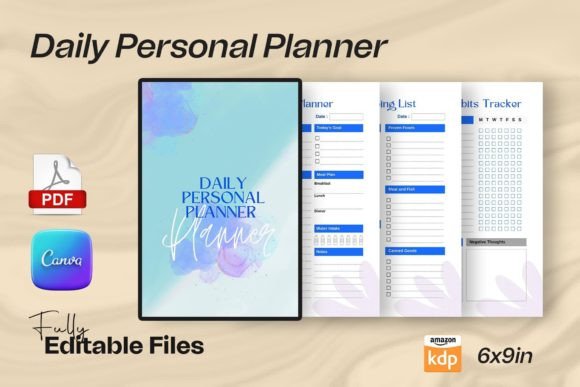
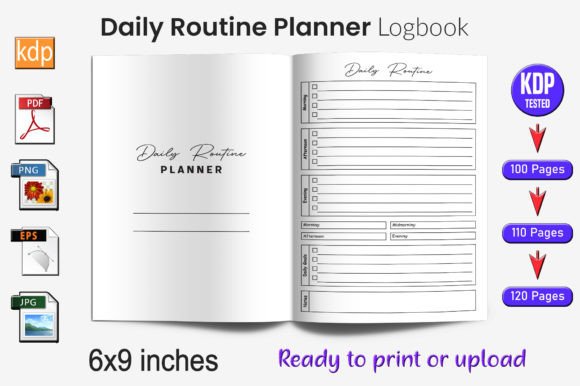
A daily routine planner log book typically includes space for each day of the week, prompts for morning and evening routines, sections for top priorities, and room for notes or reflections. The format can vary from a simple list to a more detailed hourly breakdown. The key is that it provides a consistent place to plan and review your day. For KDP publishers and content creators, a well-designed daily routine planner log book interior means offering customers a product that is ready to print, tested on Amazon, and easy to customize. The 100 vector editable resizable PDF files make it simple to adjust trim size, layout, and page count to suit different markets. With options for 100, 110, or 120 pages and a standard 6×9 inch trim size, the interior can be tailored for notebooks, journals, or diaries. The high resolution at 300 DPI and no bleed settings ensure clean printing. For those selling on Amazon KDP, having a file that has been tested on the platform saves time and reduces risk. The editable EPS files, transparent PNG backgrounds, and bonus high-resolution JPG files give publishers flexibility to create multiple variations or use the designs across different products.
Why Different People Care About a Daily Routine Planner
A beginner might approach a daily routine planner log book with curiosity but also uncertainty. They may wonder whether they will stick with it or if it will actually help. For someone new to structured planning, the simplicity of a log book that does not require complex setup is important. A straightforward layout with clear prompts reduces the learning curve. An experienced user, on the other hand, might care more about depth. They may want finer granularity in time blocks, space for habit tracking, or room for longer reflections. They already know that planning works, so they are looking for a tool that can adapt to their evolving needs.
Creators and entrepreneurs often need flexibility. A daily routine planner log book that allows them to move between focused work sessions, meetings, and creative brainstorming is valuable. They may use the log book to map out content schedules, product launches, or client work. For them, the ability to resize and edit the PDF files means they can create a custom version that matches their brand or workflow. Professionals in fields like consulting, healthcare, or project management might use the planner to track billable hours, patient appointments, or deadline-driven tasks. They appreciate reliability and clarity. Educators may use the log book both personally and as a teaching tool. They can show students how to structure study sessions or model time management behavior. Business owners might use it to delegate better, seeing where their own time goes and where they can hand off tasks to others. Hobbyists and consumers may simply want a pleasant space to record their daily rituals, from exercise to reading to meal prep.
Different Priorities for Choosing a Daily Routine Planner Log Book
Ease of use matters for almost everyone, but for different reasons. A busy parent may need a planner they can fill in quickly between school drop-off and work. A publisher needs a file that is easy to edit and upload without technical hassle. Cost is another factor. For individual users, a single purchased or printed log book should be affordable. For KDP publishers, the cost of the interior file matters, but so does the potential return on investment across multiple sales. Quality shows in the details. Clean lines, consistent spacing, and thoughtful prompts make a planner feel professional and trustworthy. A planner with 300 DPI resolution and no bleed issues prints cleanly, whether at home or through a professional service.
Flexibility is a priority for creators and educators who want to adapt the layout. Having vector editable files means you can change the size, add or remove sections, or translate the text. Presentation matters for those who sell the planner as a product. A polished interior helps build trust with buyers and can lead to better reviews on Amazon. Speed is relevant for publishers who want to launch quickly. A ready-to-upload file that has been tested on KDP reduces setup time. Reliability is about consistency. A log book that works the same way every day builds a habit. Creativity comes into play for users who like to decorate, color code, or add personal touches. Commercial value is key for KDP sellers who want a product that sells well and scales. Long-term usefulness depends on whether the planner encourages a sustainable practice. A daily routine planner log book that is too rigid may be abandoned. One that offers room to adapt can become a lasting part of someone’s routine.
Practical Examples for Different Reader Types
Imagine a freelancer who works from home. They start the day not sure where to focus. Using a daily routine planner log book, they write down their top three work tasks, a personal goal like a walk after lunch, and a note about what they learned that day. Over a month, they notice patterns. They see that they do creative work best in the morning and administrative tasks better in the afternoon. They adjust their routine accordingly. For a small business owner, the log book might include time for checking emails, reviewing finances, and meeting with staff. They also add a section for gratitudes or wins, which helps maintain motivation during stressful periods.
A KDP publisher working with a daily routine planner log book interior can use the editable files to create multiple versions. They might make a minimalist version for adults who prefer clean design and a more decorative version for users who enjoy visual prompts. By adjusting the page count from 100 to 120 pages, they can offer different price points. The transparent PNG backgrounds make it easy to layer the planner pages into other products like digital planners or printable bundles. A teacher might print a few copies for students to try as part of a time management lesson. They could also use it for themselves to balance lesson planning, grading, and family time.
Identifying Whether a Daily Routine Planner Log Book Matches Your Needs
To decide if a daily routine planner log book is right for you, think about your current relationship with time. Do you often feel like days slip by without noticing? Do you want a simple way to track progress toward goals without an app or complex system? A paper-based log book can be a calm alternative to digital tools. If you are a publisher, consider whether the interior files fit your niche. A 6×9 inch trim size is popular for notebooks and journals. The tested KDP compatibility means fewer surprises at upload. The editable nature of the files allows you to rebrand or localize the content for different markets.
For individual users, ask yourself how much structure you need. Some people thrive with an hourly breakdown. Others prefer a loose list. The daily routine planner log book interior you choose should match that preference. If you are buying a pre-made log book, look for one that includes prompts you find useful without feeling overwhelming. If you are creating one to sell, think about what your target audience struggles with. Parents may want a planner that includes meal planning or child routines. Students may need space for class schedules and study blocks. Freelancers may appreciate sections for project tracking and invoicing reminders.
Long-Term Value and Practical Use
A daily routine planner log book can offer long-term value when it becomes part of a reflective practice. Looking back at past entries helps you see growth, recognize recurring obstacles, and celebrate small wins. For publishers, the long-term value lies in creating a product that customers return to buy again. A well-designed interior that is easy to edit and upload means you can release updated versions or complementary products like weekly planners, habit trackers, or goal-setting journals. The 100 vector editable resizable PDF files give you the freedom to experiment with different layouts without starting from scratch. The inclusion of EPS, PNG, and JPG files supports both print and digital use cases.
When you evaluate a daily routine planner log book, consider how it fits into your bigger picture. For personal use, it is a tool for better days. For commercial use, it is a product that solves a real problem for many people. The best log books balance simplicity with depth. They provide enough structure to guide you without boxing you in. Whether you are a beginner just starting to plan your days or an experienced publisher building a KDP catalog, a daily routine planner log book can be a practical and meaningful addition to your routine or your business.